
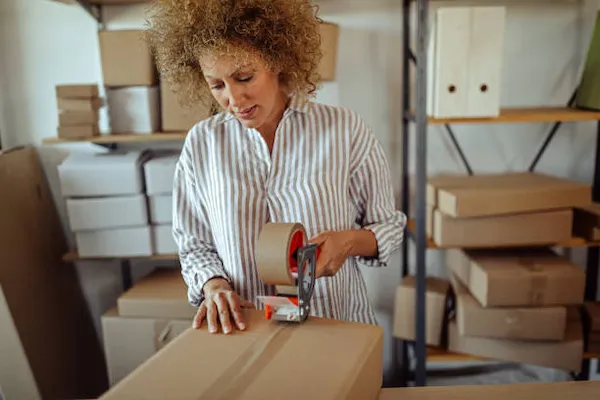
Discover how to transform your moving experience from overwhelming to manageable with our stress-free moving strategies. From decluttering and smart packing to self-care and eco-friendly disposal of items, we’ve got your moving needs covered.
Moving can be an exciting yet daunting task, whether relocating to a new home or office space. The thought of packing up your entire life and starting fresh in a new place is both exhilarating and overwhelming. It’s not just the logistics that are taxing but also the emotional toll it can take on you. And let’s be honest, no one wants their moving experience to be remembered as a stressful nightmare filled with chaos and lost belongings.
That’s why we have compiled the ultimate guide to stress-free moving for all home and business owners who want to ensure a smooth transition without any added headaches or hassles. So buckle up because we’re about to arm you with all the tips, tricks, and expert advice needed for a seamless move!
Start by decluttering and downsizing your belongings – less to pack, less to stress about
Simplicity is vital to achieving a stress-free move. When you start by decluttering and downsizing your belongings, you reduce the amount of things you have to pack and decrease the weight of your haul. This makes the moving process more manageable and less overwhelming.
It’s liberating to get rid of items that you no longer need or use, and it can also be financially rewarding if you choose to sell them. So take a deep breath, roll up your sleeves, and get ready to reduce your belongings to only the essentials. Trust us, it’ll be worth it!
Use a moving checklist and timeline to stay organized and on top of tasks
Moving can be one of the most stressful tasks we face in life. From packing up all your belongings to relocating to a new neighborhood, there is always much to consider. One way to help make the process smoother is by using a moving checklist and timeline to stay organized and on top of tasks.
Having a plan can help you focus on what needs to be done and ensure you don’t forget any critical steps. By breaking down your moving tasks into manageable pieces and tracking your progress, you can avoid the chaos of a big move and feel more confident about the process.
Consider hiring professional movers for heavy or fragile items
Moving to a new place can be daunting, especially when packing and transporting heavy or fragile items. While DIY moves can save you some cash, hiring professional movers for such items can save you from headaches and possible damage.
These experts have the right skills, tools, and insurance to handle such delicate items carefully. Moreover, they can advise you on proper packing techniques, provide necessary moving supplies, and handle the loading and unloading processes. In the end, hiring professional movers for heavy or fragile items can give you peace of mind and ensure the safety of your valuables.
Donate or sell unwanted items instead of throwing them away
Do you have a cluttered house with items you no longer use or need? Consider donating or selling your unwanted belongings instead of throwing them in the trash. Not only will you be decluttering your living space, but you’ll also be giving back to your community and potentially earning some extra cash.
With various online platforms and thrift stores, finding a new home for your gently used items is easier than ever. Plus, you’re doing your part to protect our planet’s resources by reducing waste. Make a positive impact, and consider donating or selling your unwanted items today!
Pack strategically, label boxes by room, and keep essential items easily accessible.
Moving to a new home can be daunting, but with some intelligent packing strategies, you can make the process much easier. One helpful tip is to label each box in its designated room. This way, when you arrive at your new home, you can easily direct your movers to which room each box belongs, saving you time and effort.
Additionally, don’t forget to keep essential items readily accessible, such as toiletries, towels, and bedding. These items can be packed in a separate bag or box so you can quickly access them upon arriving at your new home. With these simple packing strategies, you can make your move much more organized and stress-free.
Utilize free packing materials such as newspapers or towels instead of buying expensive bubble wrap.
Moving can be stressful and expensive, especially when packing your belongings. But did you know there are simple, cost-effective ways to pack without breaking the bank? Instead of buying pricey bubble wrap, why not utilize the free materials you already have at home?
Newspapers are great for wrapping fragile items such as plates and glasses. Not only will this save you money, but it’s also an eco-friendly option. Want to protect your more oversized items, such as furniture? Try using old towels or blankets to prevent scratches and dings during transport.
So next time you’re getting ready to move, think outside the box and take advantage of the free packing materials you already have!
Take breaks and prioritize self-care during the moving process
Moving can be stressful and overwhelming, with countless tasks and details. Getting caught up in the endless to-do list and forgetting to care for yourself is easy. However, it’s crucial to prioritize self-care and take breaks throughout the moving process.
This could mean stretching your legs, preparing a healthy meal, or simply sitting down to relax and clear your mind. When you prioritize your mental and physical health, you’ll be better equipped to handle moving demands and ultimately make the transition a more positive and manageable experience.
Remember, taking care of yourself is not a luxury – it’s a necessity.
Research local resources for recycling or disposing of large items like furniture or electronics
As our society becomes increasingly focused on sustainability, more and more people are seeking out local resources for recycling or disposing of their unwanted furniture and electronics.
Thankfully, a range of options are available these days to simplify the process – whether you’re looking to sell your items, donate them to charity, or get rid of them in an eco-friendly way. From local recycling centers to online marketplaces that specialize in reselling used goods, it’s easier than ever to reduce your environmental impact and make the most of your unwanted items.
So why not take a little time to research the resources available in your area and discover a better way to dispose of your old electronics and furniture?
Create a moving day survival kit with snacks, water, and essentials to keep you energized and prepared.
Moving day can be hectic and tiring, but a survival kit can make all the difference. Packing snacks and water is essential to keep your energy level up. Granola bars, dried fruit, and nuts are all easy to eat on the go and provide the perfect boost of nutrition.
In addition to food, don’t forget to pack essentials such as a first aid kit, hand sanitizer, and extra toiletries. Moving day can be unpredictable, so it’s always better to be over-prepared than under-prepared. With a well-stocked survival kit, you can handle anything that comes your way and make moving day a success!
Don’t forget to update your address and notify the necessary parties before the move.
Moving to a new location can be exciting and stressful at the same time. Amidst packing and planning, it’s easy to forget the crucial task of updating your address with the necessary parties. Don’t forget to notify your bank, credit card companies, and other subscription services, as well as your employer and the post office, about the change.
You can avoid missing essential bills, packages, or potential job opportunities. Neglecting to update your address can cause unnecessary headaches and delays, so take the time to ensure a smooth transition to your new home.
As you brave the daunting task of moving, remember that preparation and organization are your greatest allies. By decluttering and downsizing your belongings, using a moving checklist and timeline, considering professional movers for heavy items, and strategically packing with donated or recyclable materials, you can minimize stress and stay on top of tasks.
And while the process may seem overwhelming, remember to prioritize self-care and take breaks as needed. As you embark on this new chapter, don’t forget to research local resources to dispose of large items and create a moving day survival kit to energize you. Lastly, don’t forget to update your address and notify the necessary parties before moving.
So take a deep breath and confidently tackle this challenge – you’ve got this!